
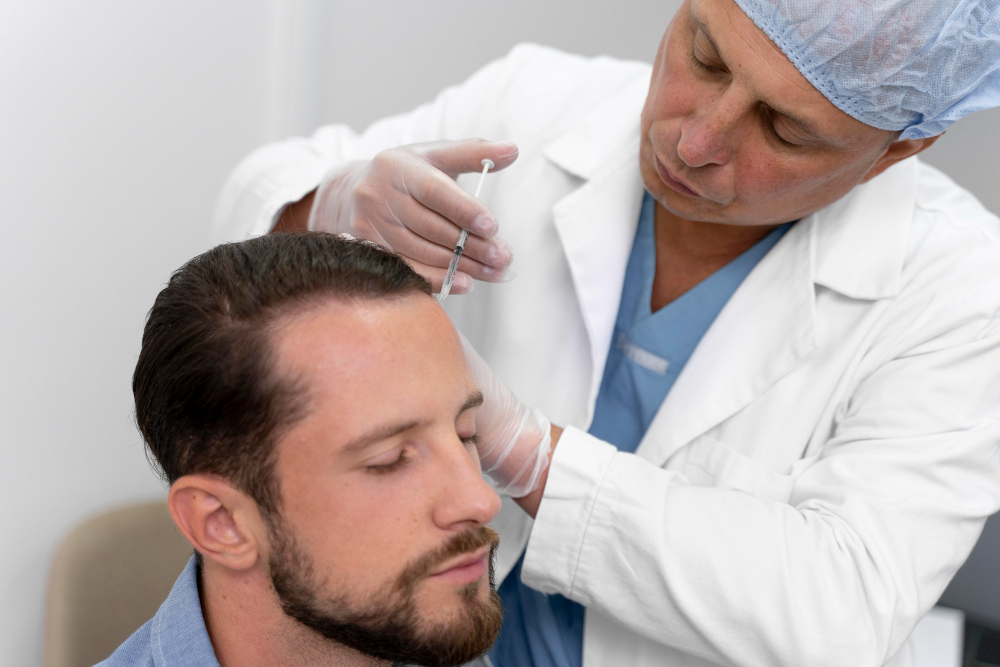
Hair transplantation has become a popular solution for people facing hair loss. Many choose this hair restoration surgery to regain their confidence and a natural look. In recent years, more clinics offer hair transplantation in cities worldwide. This guide explains the hair transplant procedure, its benefits, risks, and how to care for your new hair.
What is Hair Transplantation?
Hair transplantation is a medical procedure that moves hair from one part of your body to another. Usually, doctors take hair from the back or sides of your head and place it where hair is thin or missing. This process helps restore hair in areas affected by baldness or thinning.
Who is a Good Candidate?
Not everyone is suitable for hair transplantation. However, you may be a good candidate if you:Have healthy hair growth at the back or sides of your headAre in good general healthHave realistic expectations about the resultsExperience hair loss due to genetics, injury, or certain medical conditions
On the other hand, people with widespread hair loss or certain medical problems may not be ideal candidates. Always discuss your health with a doctor before deciding.
Types of Hair Transplant Procedures
There are two main types of hair transplant procedures:FUT (Follicular Unit Transplantation): In this method, a strip of skin with hair is removed from the donor area. The hair follicles are then separated and placed in the bald area.FUE (Follicular Unit Extraction): Here, individual hair follicles are taken directly from the donor area and transplanted to the thinning area. This method leaves tiny scars that are less visible.
Both methods aim to give natural-looking results. Your doctor will help you choose the best option for you.
Step-by-Step Procedure Overview
Although each clinic may have small differences, the general steps are similar:First, the doctor examines your scalp and discusses your goals.Next, the donor area is cleaned and numbed with local anesthesia.Hair follicles are removed using either FUT or FUE technique.Small cuts are made in the area where hair will be placed.The doctor carefully places each hair follicle in these cuts.Finally, the scalp is cleaned and bandaged.
The whole process can take several hours, depending on the number of grafts needed.
Benefits of Hair Transplantation
Hair transplantation offers several benefits, including:Natural-looking hair growthPermanent solution for hair lossImproved self-confidenceMinimal downtime after the procedureLow risk of major complications when performed by experts
Moreover, most people return to normal activities within a few days.
Risks and Potential Side Effects
Like any surgery, hair transplantation has some risks. However, most side effects are mild and temporary. Possible risks include:Swelling or redness of the scalpInfection at the surgery siteScarring in the donor or recipient areaTemporary hair shedding (shock loss)Uneven hair growth or unnatural appearance
According to the American Academy of Dermatology, serious problems are rare when the procedure is done by a trained specialist.
Aftercare and Recovery Tips
Proper aftercare is important for the best results. Here are some tips to help you recover:Keep the scalp clean and follow your doctor’s washing instructionsAvoid touching or scratching the transplanted areaDo not expose your scalp to direct sunlight for a few weeksSleep with your head raised to reduce swellingTake prescribed medicines as directedAvoid heavy exercise for at least a week
Always contact your doctor if you notice unusual pain, swelling, or signs of infection.
Expected Results and Timeline
Results from hair transplantation take time. Here is what you can expect:In the first few weeks, some transplanted hair may fall out. This is normal.New hair growth usually starts after three to four months.Full results are often seen after 9 to 12 months.
With patience and proper care, most people enjoy thicker, natural-looking hair.
Prevention of Hair Loss
While hair transplantation can restore lost hair, preventing further hair loss is important. For example, your doctor may suggest:Using gentle hair care productsEating a balanced diet rich in vitaminsManaging stress through relaxation techniquesTaking prescribed medicines to slow hair loss
These steps can help protect your new hair and support long-lasting results.
In summary, hair transplantation is a safe and effective way to restore hair for many people. However, it is important to choose a skilled doctor and follow all aftercare instructions. Consult a certified dermatologist or hair restoration specialist at ZOH Aesthetic Clinic for personalized advice on hair transplantation.