What Is Adult Acne in Your 30s?
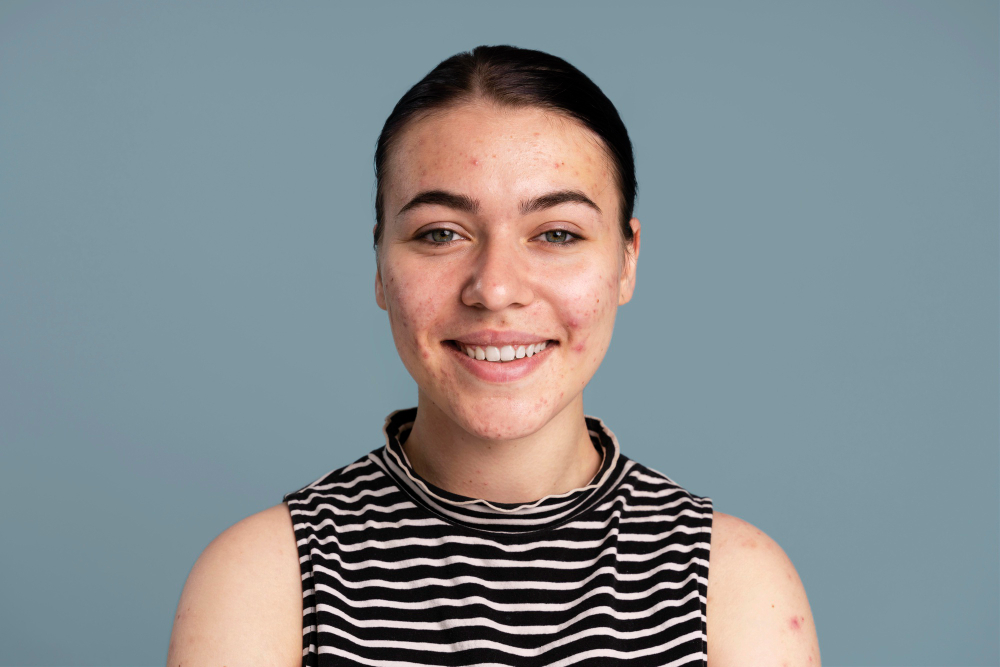
Many people think acne is only for teenagers. However, adult acne in your 30s is common. It can be frustrating and sometimes confusing. Adult acne means you get pimples, blackheads, or bumps after your teenage years. Often, these breakouts appear on the lower face, jawline, or neck. For many, adult acne in your 30s can last for years. But with the right care, you can manage it well.
Common Symptoms and How They Differ from Teenage Acne
Adult acne in your 30s often looks different from teenage acne. While teens get pimples on their forehead and cheeks, adults usually see breakouts on the chin, jaw, or neck. Also, adult acne may include:Red, inflamed bumpsWhiteheads and blackheadsPainful cysts under the skinDark spots after pimples heal
Unlike teenage acne, adult acne can last longer and heal more slowly. Sometimes, it leaves marks or scars. Because of this, many adults feel self-conscious about their skin.
Main Causes and Risk Factors
There are many reasons why you might have acne in your 30s. Some main causes and risk factors include:Hormonal changes: Fluctuations during periods, pregnancy, or stress can trigger breakouts.Family history: If your parents had adult acne, you may be more likely to get it too.Stress: High stress levels can increase oil production in your skin.Skin care products: Some creams or makeup can clog pores and cause pimples.Diet: Foods high in sugar or dairy may worsen acne for some people.Medications: Certain medicines, like steroids or birth control, can lead to breakouts.
Because adult acne in your 30s has many triggers, it helps to track your habits and changes in your life.
Diagnosis and When to Seek Medical Advice
If you notice new or worsening acne in your 30s, you may wonder when to see a doctor. Usually, mild acne can be managed at home. However, you should seek medical advice if:Your acne is painful or severeYou notice deep cysts or nodulesOver-the-counter treatments do not helpYour skin shows signs of infection, like redness or pusAcne affects your self-esteem or daily life
Dermatologists can diagnose adult acne by looking at your skin and asking about your health. Sometimes, they may suggest blood tests to check for hormone problems.
Evidence-Based Treatment Options
There are many effective treatments for adult acne in your 30s. Your doctor may suggest one or more of the following:
Topical Treatments
Benzoyl peroxide creams to kill bacteriaRetinoids to unclog pores and reduce inflammationSalicylic acid to help shed dead skinAntibiotic creams to lower redness
Oral Medications
Antibiotics for moderate to severe acneHormonal pills, like birth control, for womenIsotretinoin for severe or stubborn cases
Lifestyle Changes
Wash your face twice daily with a gentle cleanserAvoid picking or squeezing pimplesChoose non-comedogenic (won’t clog pores) skin productsManage stress with exercise or relaxationEat a balanced diet and limit sugary foods
Because every person is different, your doctor will help you find the best adult acne treatment in your 30s.
Prevention Tips and Daily Skincare Guidance
While you may not prevent all breakouts, you can lower your risk. Try these clear skin tips for adults:Wash your face gently, morning and nightRemove makeup before bedUse sunscreen daily, even on cloudy daysKeep hair products away from your faceChange pillowcases oftenDrink plenty of water
Additionally, stick to a simple routine. Too many products can irritate your skin. If you try something new, test it on a small area first.
Myths and Facts About Adult Acne in Your 30s
There are many myths about adult acne. Let’s clear up some common ones:Myth: Only teens get acne.Fact: Many adults have acne, especially in their 30s.Myth: Poor hygiene causes acne.Fact: Acne is not caused by dirty skin. Over-washing can make it worse.Myth: Sun exposure clears acne.Fact: Sun can damage skin and may worsen acne over time.Myth: Popping pimples helps them heal.Fact: Picking can cause scars and infections.
Because of these myths, it’s important to get advice from trusted sources like the CDC or a dermatologist.
Conclusion
Adult acne in your 30s is common and treatable. With the right care and advice, you can manage breakouts and protect your skin. If you struggle with acne or want a plan that works for you, consult a dermatologist at ZOH Aesthetic Clinic for personalized advice on managing adult acne in your 30s.