
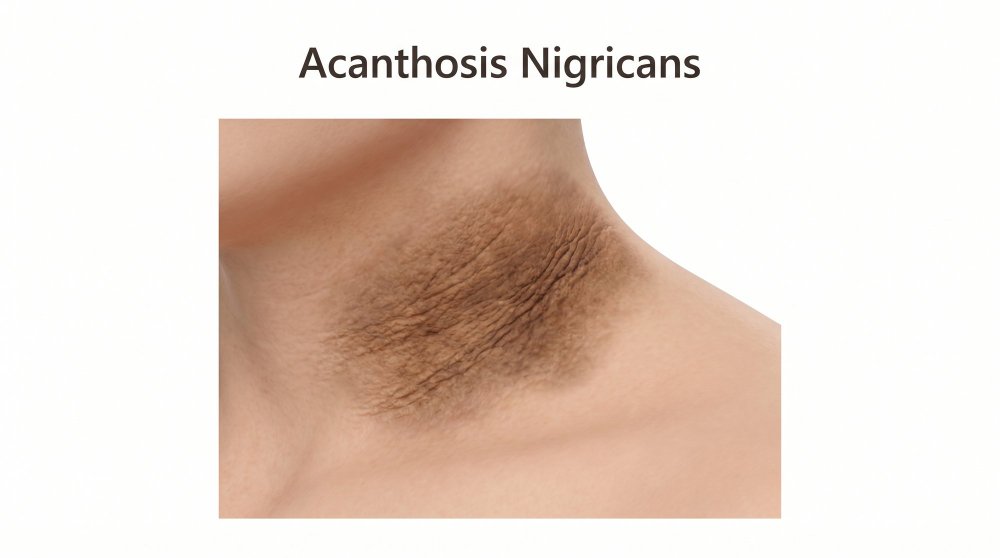
Many people notice dark neck and underarms and wonder what it means. In many cases, this skin change is called acanthosis nigricans. This condition causes dark, thick patches on the skin, especially in folds like the neck and underarms. Although it is not harmful itself, it can signal other health issues. For example, it may point to problems with blood sugar or hormones. Understanding the causes of dark neck and underarms can help you take better care of your health.
What Is Acanthosis Nigricans?
Acanthosis nigricans is a skin condition. It causes areas of the skin to become darker, thicker, and sometimes feel velvety. Most often, it appears in body folds, such as the neck, underarms, or groin. While it is not an infection, it can be a sign of other health problems. For instance, it is often linked to high insulin levels. According to the Centers for Disease Control and Prevention (CDC), this condition is more common in people with obesity or diabetes. However, anyone can develop it.
Common Symptoms of Dark Neck and Underarms
People with acanthosis nigricans may notice several changes in their skin. These symptoms can develop slowly over time. For example, you might see: Dark, brown, or black patches on the neck or underarms Skin that feels thicker or rougher than usual Velvety or soft texture in the affected areas Mild itching or irritation, though this is less common
Sometimes, these changes can also appear in other body folds, such as behind the knees or in the groin. Yet, the neck and underarms are the most common spots.
Causes and Risk Factors
There are several causes of dark neck and underarms. Acanthosis nigricans often points to changes inside the body. For example, high insulin levels can trigger skin discoloration. This is common in people with type 2 diabetes or those at risk for diabetes. Other causes include: Obesity, which increases the risk of insulin resistance Hormone problems, such as thyroid or adrenal disorders Certain medicines, like birth control pills or steroids Genetic factors, especially in families with a history of the condition Rarely, some cancers can cause acanthosis nigricans, but this is uncommon
In the United States, obesity and diabetes are the leading causes. However, anyone can develop this condition, regardless of age or background.
How Acanthosis Nigricans Is Diagnosed
Doctors can usually diagnose acanthosis nigricans by looking at your skin. They may ask about your medical history and any medicines you take. Sometimes, further tests are needed. For instance, your doctor might order blood tests to check blood sugar or hormone levels. If the cause is not clear, more tests may help rule out rare problems. Early diagnosis helps find the best treatment for acanthosis nigricans and any underlying health issues.
Treatment Options
Treating dark neck and underarms starts with finding the cause. If high insulin or obesity is the reason, managing these can help. For example, losing weight and controlling blood sugar may lighten the skin over time. Doctors may also suggest: Topical creams to help lighten dark patches Medicines to treat hormone imbalances Changing medicines if a drug is causing the skin change Laser therapy in some cases, though this is less common
While these treatments can help, it may take time to see results. Always talk to a healthcare provider before starting any new treatment for acanthosis nigricans.
Lifestyle Tips for Managing Dark Neck and Underarms
Simple lifestyle changes can support healthy skin and help manage acanthosis nigricans. For example, you can:Maintain a healthy weight through balanced eating and regular exerciseChoose gentle skin care products to avoid irritationKeep skin folds clean and dry to prevent further darkeningWear loose, breathable clothing to reduce frictionCheck your skin often for any new changes
With these steps, you may notice some improvement in skin discoloration. However, results can vary from person to person.
Prevention Strategies
Preventing dark neck and underarms often involves managing risk factors. For example, keeping a healthy weight lowers the chance of insulin resistance. Other prevention tips include: Eating a balanced diet rich in fruits, vegetables, and whole grains Staying active with regular physical activity Seeing your doctor for regular check-ups, especially if you have diabetes or obesity Managing any hormone problems with your healthcare provider’s help Using skin care products that are gentle and fragrance-free
By following these strategies, you can reduce your risk of developing acanthosis nigricans and keep your skin healthy.