
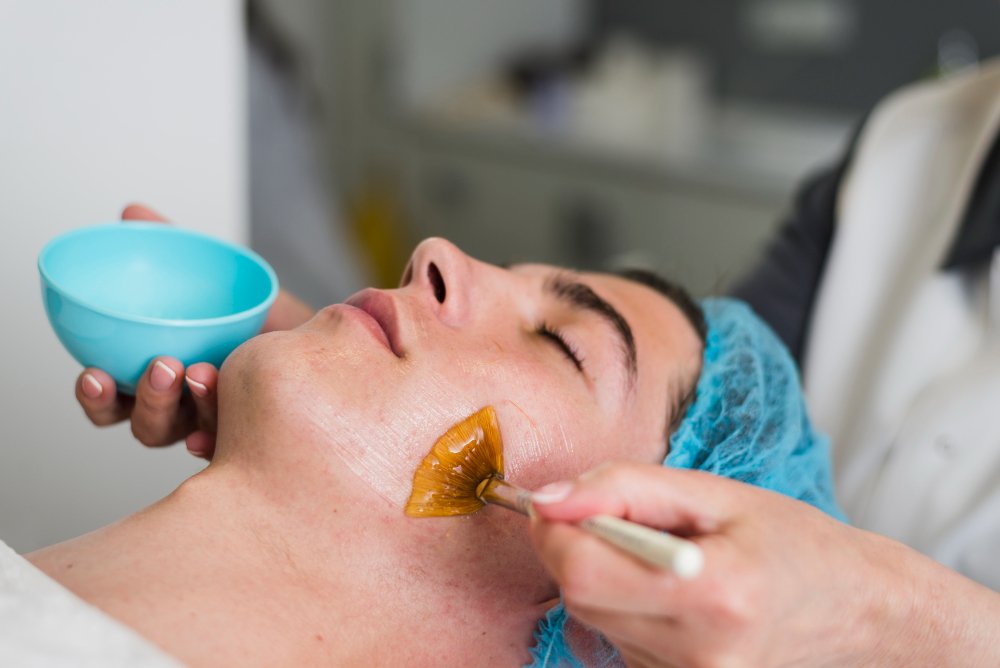
Chemical peels are popular skin rejuvenation treatments. They use safe chemical solutions to improve skin texture and appearance. Many people choose chemical peels to treat fine lines, uneven skin tone, or acne scars. In this blog, you will learn how different chemical peels work for skin rejuvenation. We will also cover their benefits, risks, and aftercare tips.
What Are Chemical Peels?
Chemical peels are treatments that remove the top layers of skin. Doctors apply a chemical solution to the skin, which causes it to peel off. As a result, new, smoother skin forms. Chemical peels can help with wrinkles, scars, and sun damage. They are often used on the face, but can also treat the neck and hands. According to the American Academy of Dermatology, chemical peels are safe when performed by trained professionals.
Types of Chemical Peels
There are three main types of chemical peels. Each type works at a different depth and is chosen based on your skin needs.Superficial Peels: These use mild acids like alpha hydroxy acid. They remove only the outer layer of skin. Superficial peels are gentle and have a short recovery time.Medium Peels: These use stronger acids, such as trichloroacetic acid. They reach the middle layer of skin. Medium peels treat deeper wrinkles and scars.Deep Peels: These use strong acids like phenol. They remove several layers of skin. Deep peels are used for severe skin damage but require longer healing.
Because each type has different effects, your dermatologist will help you choose the best one for your skin.
How Chemical Peels Work
Chemical peels work by removing damaged skin cells. First, the doctor cleans your skin. Then, they apply the chemical solution. After a short time, the solution is removed or neutralized. As the skin heals, new cells grow. This process makes the skin look fresher and smoother. For example, superficial peels only affect the top layer, while deep peels reach deeper layers. As a result, deeper peels can treat more severe skin problems. However, they also need more recovery time. According to dermatology studies, chemical peels boost collagen, which helps skin stay firm and youthful.
Benefits of Chemical Peels
Chemical peels offer many benefits for skin health and appearance. Some of the key benefits include:Smoother, brighter skinReduced fine lines and wrinklesImproved skin tone and textureFewer dark spots and sun damageLess visible acne scarsBoosted collagen production
Additionally, chemical peels can help unclog pores and reduce acne breakouts. Many people see results after just one treatment. However, for best results, you may need a series of peels.
Risks and Side Effects
Although chemical peels are safe when done by professionals, there are some risks. Common side effects include:Redness and swellingPeeling or flaking skinTemporary dark or light spotsSensitivity to sunlight
Rarely, deeper peels can cause scarring or infection. To minimize risks, always follow your dermatologist’s advice. For example, avoid sun exposure and use gentle skin care products after a peel. The Centers for Disease Control and Prevention (CDC) recommends choosing licensed professionals for all skin treatments.
Who Should Consider Chemical Peels?
Chemical peels are suitable for many people. You may benefit if you have:Fine lines or wrinklesUneven skin toneAcne scars or sun damageRough skin texture
However, some people should avoid chemical peels. For example, if you have active skin infections, open wounds, or certain skin diseases, a peel may not be safe. Pregnant women and people with very sensitive skin should also consult a doctor first. Always discuss your medical history with a dermatologist before starting any skin rejuvenation treatments.
Aftercare and Recovery
Proper aftercare is important for safe chemical peels and good results. Here are some tips:Keep your skin clean and moisturizedUse sunscreen daily to protect healing skinAvoid picking or scratching peeling skinFollow your doctor’s instructions for skin care productsStay out of direct sunlight until your skin heals
Because recovery times vary, ask your dermatologist what to expect. Superficial peels heal in a few days, while deep peels may take weeks.
Prevention and Maintenance
To keep your skin healthy after a chemical peel, follow these lifestyle tips:Wear sunscreen every day, even indoorsMoisturize your skin regularlyEat a balanced diet rich in fruits and vegetablesStay hydrated by drinking plenty of waterAvoid smoking and limit alcohol
In addition, regular gentle skin care can help maintain your results. For long-lasting benefits, schedule follow-up visits with your dermatologist at ZOH Aesthetic Clinic.
In summary, chemical peels are effective skin rejuvenation treatments when used safely. They can improve your skin’s look and feel. However, it is important to choose the right type and follow aftercare steps. For personalized advice, consult a board-certified dermatologist at ZOH Aesthetic Clinic. Your doctor can help you decide if a chemical peel is right for you.