
Introduction to Hair Loss Treatments
Hair loss can affect anyone. It often leads people to search for the best treatment for hair loss. Two popular hair restoration methods are PRP therapy and hair transplant surgery. PRP vs. hair transplant is a common question for those looking for hair loss treatment options. Both treatments aim to restore hair, but they work in different ways. Understanding these options can help you make an informed choice.
What is PRP (Platelet-Rich Plasma) Therapy?
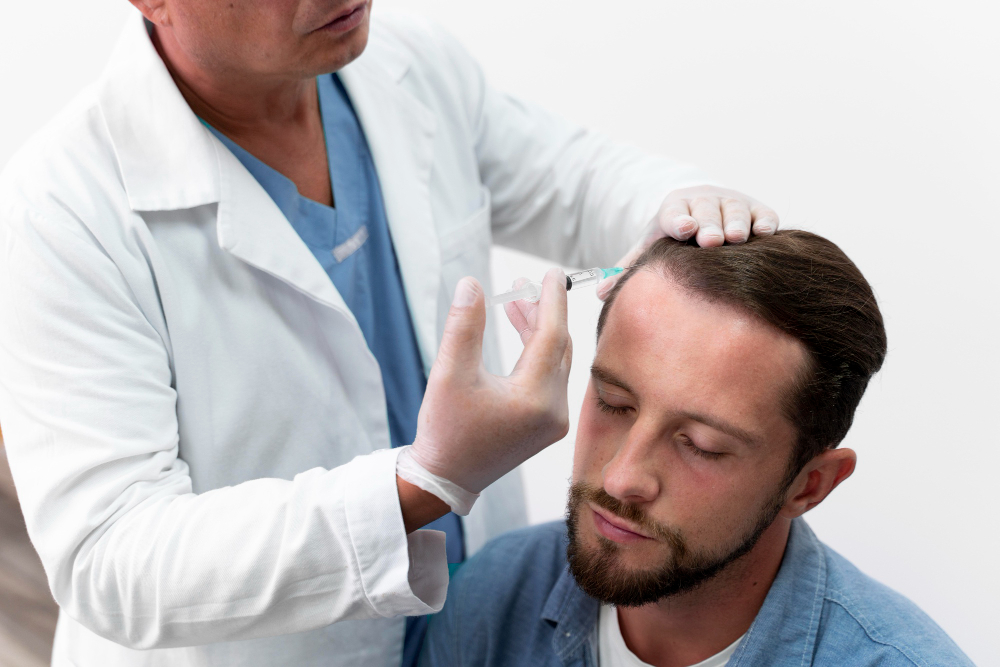
PRP stands for Platelet-Rich Plasma. In this treatment, a small amount of your blood is drawn. Then, the blood is spun in a machine to separate the platelets. These platelets are rich in growth factors. Next, the doctor injects the PRP into your scalp. As a result, it can help stimulate hair growth. PRP therapy is simple and does not require surgery. Usually, you need several sessions for the best results.
What is a Hair Transplant?
A hair transplant is a surgical procedure. In this method, hair is taken from one part of your scalp and moved to an area with thinning or no hair. There are two main types:FUT (Follicular Unit Transplantation): A strip of scalp is removed and divided into small grafts.FUE (Follicular Unit Extraction): Individual hair follicles are taken and transplanted.
Both methods aim to give natural-looking results. However, the choice depends on your hair type and needs.
PRP vs. Hair Transplant: Key Differences
While both treatments help with hair loss, they are quite different. Here are some key differences:PRP is non-surgical, while a hair transplant is a surgical procedure.PRP uses your blood to boost hair growth. In contrast, a hair transplant moves hair from one area to another.Recovery time is shorter with PRP. Hair transplants may need more downtime.Results from PRP are gradual, while hair transplants can show fuller results after healing.
Effectiveness and Results
Both PRP and hair transplants can be effective. However, their results depend on the cause and stage of hair loss. According to studies published in peer-reviewed journals, PRP therapy can improve hair thickness and slow hair loss. But, it works best for early hair thinning. On the other hand, hair transplants can restore hair in bald areas. They offer more permanent results. Yet, you may need more than one session for full coverage.
Safety and Side Effects
Both treatments are generally safe when done by trained professionals. Still, each has some risks:PRP therapy: Mild pain, redness, or swelling at the injection site. Rarely, infection can occur.Hair transplant: Swelling, bleeding, or infection. Scarring may also happen. However, these risks are low with proper care.
Always choose a certified clinic or doctor for your safety.
Cost Comparison
Cost is an important factor for many people. PRP therapy is usually less expensive per session. However, you may need several sessions for the best results. Hair transplants have a higher upfront cost, but the results can last longer. Prices can vary based on location, clinic, and the amount of hair needed. For example, hair transplant clinics in large cities may charge more than those in smaller towns.
Who is a Good Candidate for Each Treatment?
Not everyone is suited for every treatment. Here’s a quick guide:PRP therapy: Best for people with early hair thinning or mild hair loss. It works well if you still have active hair follicles.Hair transplant: Ideal for those with bald patches or advanced hair loss. You need enough healthy hair on your scalp for the procedure.
Either way, a doctor can help decide what’s best for you.
How to Choose the Right Option
Choosing between PRP vs. hair transplant depends on your needs and goals. First, consider how much hair you have lost. Next, think about your budget and recovery time. Also, talk to a hair restoration specialist. They can assess your scalp and suggest the best treatment for hair loss. Sometimes, a combination of both treatments may work well.
Prevention and Lifestyle Tips
While treatments can help, healthy habits matter too. Here are some tips to slow hair loss:Eat a balanced diet rich in vitamins and minerals.Avoid harsh hair treatments or heat styling.Manage stress with exercise or relaxation techniques.Use gentle shampoos and avoid tight hairstyles.See a doctor if you notice sudden or severe hair loss.
Conclusion
Both PRP and hair transplant are proven hair restoration methods. However, the right choice depends on your unique situation. For the best results, consult a dermatologist or hair restoration specialist at ZOH Aesthetic Clinic for personalized advice.