What Causes Sagging Skin After Weight Loss?
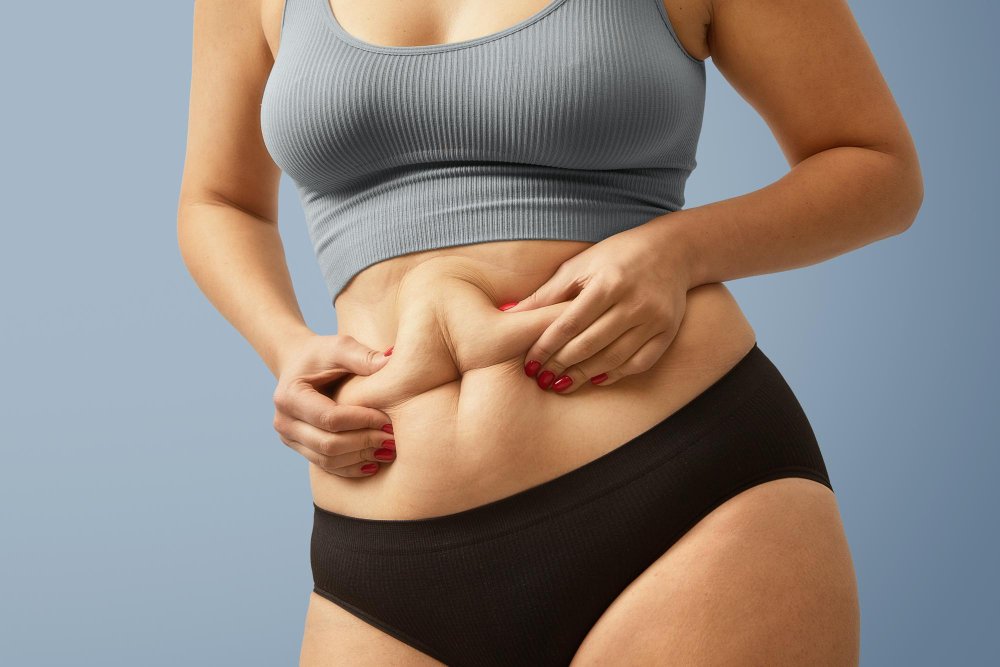
Sagging skin after weight loss is a common concern for many people. When you lose weight quickly, your skin may not shrink as fast as your body. As a result, loose skin can appear. Skin is made of proteins like collagen and elastin. These proteins help skin stretch and snap back. However, after years of carrying extra weight, these fibers can weaken. Therefore, your skin may not return to its original shape. Age, genetics, and how much weight you lose also play a role. For example, older adults often have less collagen, so their skin is less firm. According to the American Academy of Dermatology, rapid weight loss and sun exposure can make sagging more likely.
Common Symptoms and Areas Affected
After weight loss, you may notice certain symptoms of loose skin. For instance, skin may feel soft, thin, or hang in folds. Sometimes, it can rub against clothing or cause discomfort. The most common areas affected include:Abdomen (belly)Upper armsThighsChest and breastsFace and neck
In some cases, loose skin can lead to skin irritation or rashes. But not everyone will have the same symptoms. The amount of sagging depends on your skin type, age, and weight loss speed.
How Skin Tightening Treatments Work
Many people look for ways to improve skin tightening after weight loss. Skin tightening treatments aim to help your skin look firmer and smoother. Most treatments work by boosting collagen and elastin in the skin. As a result, your skin can become tighter over time. Some methods use heat, light, or radio waves to reach deep layers of skin. Others use surgery to remove extra skin. According to the American Society for Dermatologic Surgery, non-surgical skin tightening is safe for many people, but results can vary.
Types of Skin Tightening Treatments
There are several types of treatments for loose skin. Some are non-surgical, while others require surgery. Here are the most common options:Non-surgical skin tightening: These treatments use devices that send heat or energy into the skin. For example, radiofrequency, ultrasound, or laser treatments can help. These methods are popular because they do not require cuts or long recovery times.Minimally invasive procedures: Some treatments use tiny needles or threads to lift and tighten skin. For instance, microneedling or thread lifts can boost collagen and give a firmer look.Surgical skin tightening: In some cases, surgery is the best choice. Procedures like tummy tucks or arm lifts remove extra skin. Although surgery offers fast results, it also has more risks and a longer recovery.
Many skin tightening clinics in your area offer both non-surgical and surgical options. It is important to talk with a board-certified doctor to find the right treatment for you.
Benefits and Risks of Skin Tightening Procedures
Skin tightening after weight loss can offer many benefits. For example, treatments can help you feel more comfortable and confident. You may notice smoother, firmer skin. In addition, some people find it easier to exercise or wear certain clothes. However, all treatments have risks. Non-surgical options may cause redness, swelling, or mild discomfort. Surgical procedures carry risks like infection, scarring, or longer healing times. According to the CDC and dermatology experts, it is important to choose a qualified provider and follow aftercare instructions.
What to Expect During and After Treatment
Before treatment, your doctor will explain the process and answer your questions. During non-surgical skin tightening, you may feel warmth or tingling. Most sessions last under an hour, and you can return to normal activities soon after. For surgical procedures, you may need anesthesia and a longer recovery. After any treatment, you might notice mild swelling or redness. These side effects usually fade within days. Over time, your skin can look firmer as collagen builds. However, results can take weeks or months to appear. Your doctor will guide you on how to care for your skin after treatment.
Lifestyle Tips to Support Skin Health After Weight Loss
Even after treatment, healthy habits can help your skin stay firm. For instance, staying hydrated keeps skin soft and elastic. Eating foods rich in vitamins C and E can support collagen. Regular exercise, especially strength training, helps build muscle under the skin. In addition, using sunscreen protects against sun damage, which can make sagging worse. Try these tips:Drink plenty of water every dayEat fruits, vegetables, and lean proteinsExercise regularly, including weights or resistance bandsUse sunscreen with SPF 30 or higherAvoid smoking, as it weakens skin fibers
These steps can support the results of skin tightening treatments and help prevent new sagging.
Prevention: Can Sagging Skin Be Avoided?
While it is not always possible to prevent sagging skin after weight loss, some steps may help. Losing weight slowly gives your skin more time to adjust. For example, aim to lose one to two pounds per week. This pace is safer and easier on your skin, according to CDC guidelines. In addition, staying active and eating a balanced diet support skin health. Although genetics and age play a role, these habits can make a difference. If you are planning major weight loss, talk with doctor at ZOH Aesthetic Clinic about ways to protect your skin.