
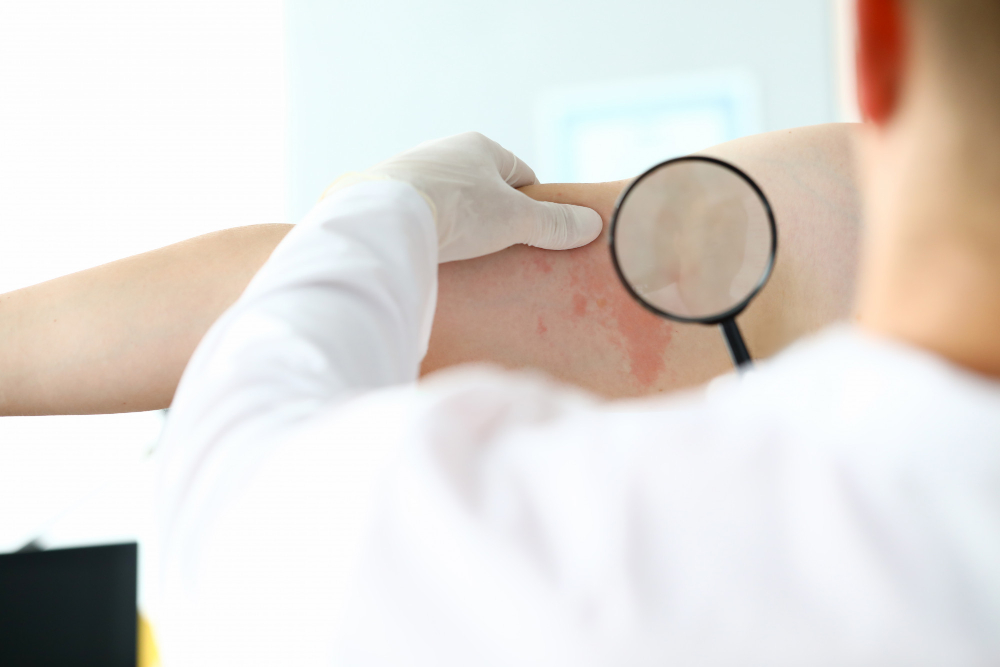
Itching skin is a common problem. Sometimes, it goes away on its own. However, there are times when itching lasts longer or gets worse. In these cases, you may wonder, “When is it time to see a dermatologist for itching skin?” Persistent itching, skin irritation causes, and knowing when to seek dermatology care are important for your health. This blog will help you understand when to get professional help and how to care for your skin.
Common Causes of Itching Skin
Many things can make your skin itch. While some causes are mild, others may need medical attention. Here are some common reasons:Dry skin: Cold weather or hot showers can remove moisture from your skin.Allergies: Some soaps, lotions, or foods can cause allergic reactions.Eczema: This is a skin condition that leads to red, itchy patches.Infections: Fungal or bacterial infections can cause itching and discomfort.Bug bites: Mosquitoes, fleas, or other insects may leave itchy bumps.Medications: Sometimes, new medicines can cause skin irritation.
Although most itching is not serious, it is important to watch for changes.
Warning Signs: When to See a Dermatologist
Sometimes, itching is a sign of a bigger problem. If you notice any of the following, you should see a dermatologist near you:Itching lasts more than two weeksItching is severe or keeps you from sleepingSkin looks red, swollen, or has blistersYou see open sores or scabsThere are signs of infection, like pus or warmthItching spreads to your whole bodyYou have other symptoms, such as fever or weight loss
In these cases, early care can help prevent problems.
Diagnosis: What to Expect at the Dermatologist
When you visit a dermatologist for itching skin, they will want to learn more about your symptoms. First, they may ask questions like:How long have you had the itching?Where is the itching located?Have you tried any treatments?Do you have allergies or other health problems?
Next, the doctor will look at your skin. Sometimes, they may do tests, such as:Skin scraping or swab to check for infectionBlood tests to rule out other causesPatch testing for allergies
With this information, your dermatologist can find the cause and suggest the best treatment.
Treatment Options for Itching Skin
Dermatologists offer many ways to treat itching skin. The right treatment depends on the cause. Common options include:Moisturizers to help with dry skinPrescription creams for eczema or rashesAntihistamines for allergiesAntibiotics or antifungal medicines for infectionsLight therapy for certain skin conditions
Sometimes, your doctor may suggest changes to your daily routine as well.
Prevention and Self-Care Tips
While not all itching can be prevented, you can take steps to protect your skin. Here are some helpful tips:Use gentle, fragrance-free soaps and lotionsKeep your skin moisturized, especially after bathingAvoid hot showers or bathsWear loose, soft clothingStay away from known allergensKeep your home cool and humidifiedDo not scratch, as this can make itching worse
Conclusion
In summary, itching skin is common, but it should not be ignored if it persists or worsens. At ZOH Aesthetic Clinic, persistent or severe itching is evaluated to identify the cause and plan targeted care. Early treatment helps relieve discomfort and supports long-term skin health.
For personalized care and timely relief from itching skin, consult a dermatologist at ZOH Aesthetic Clinic.